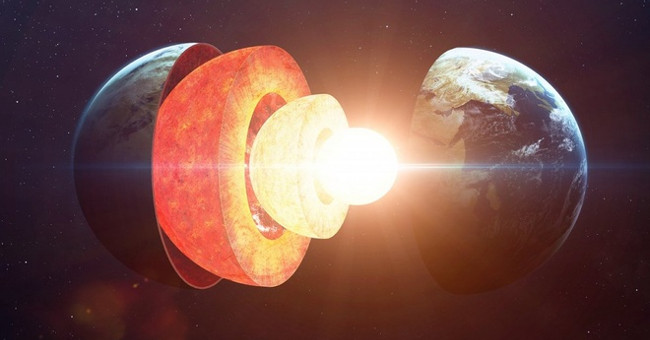
Doomsday
7 perspective of the destruction of the Earth
Life on Earth may end in billions of years, but depending on astrophysical fluctuations, the apocalypse may be tomorrow or at any other time.
Browse ScienceInfo articles and explainers related to Life On Earth.
126 published items.
Life on Earth may end in billions of years, but depending on astrophysical fluctuations, the apocalypse may be tomorrow or at any other time.

The universe is expected to come to an end in 110 trillion years, of course, long before the Earth completely disappears.
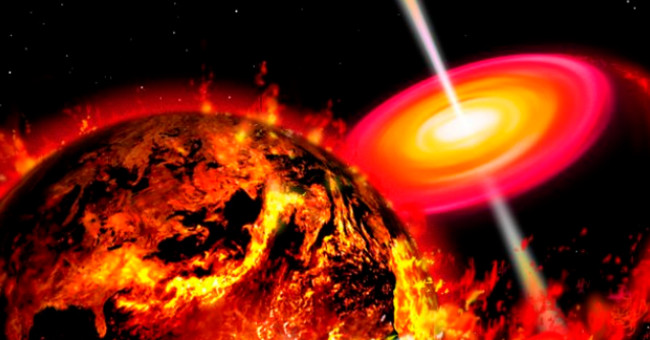
Meade argues that on April 23, the Sun, Moon and Jupiter will converge on the constellation Virgo, marking the day of the Earth's destruction.
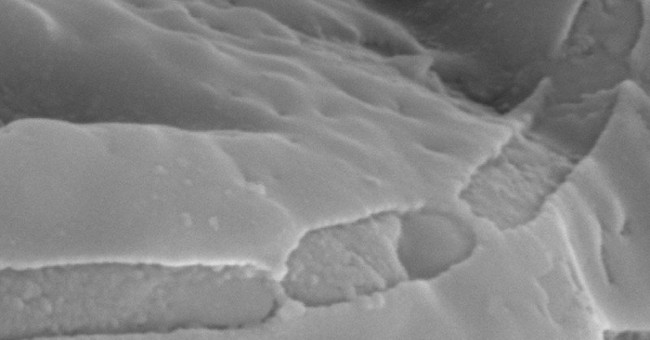
Fossils in Africa show that the ancient bacteria have found deadly UV-hiding rocks in the Taihu era when life began to form on Earth.
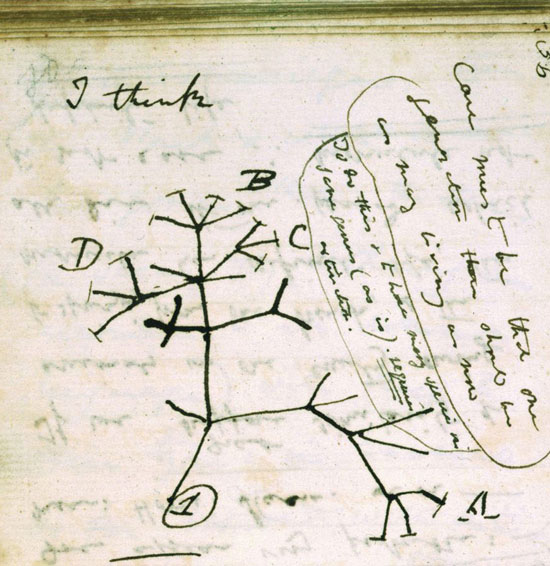
Dr. William Duax and colleagues at the University of Buffalo in New York (USA) have created a new evolutionary tree by comparing proteins from genes of organisms stored…
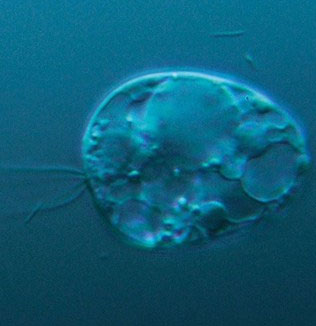
After two decades of studying a type of algae-eating microorganisms living in a lake in Norway, scientists on April 26 claim that it is one of the oldest living organism…

This number is calculated based on the aggregation of data from 350,000 previous studies on organisms, including microorganisms.
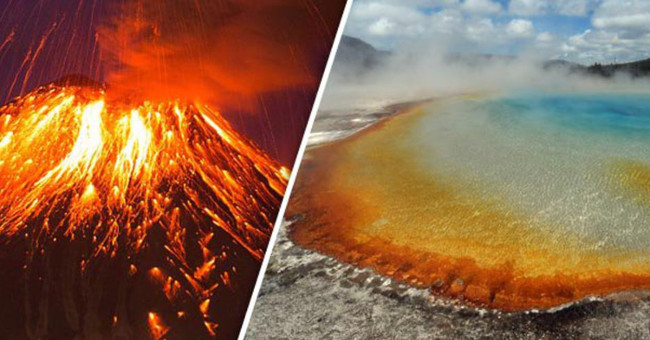
The world's most dangerous volcano can awaken at any time, threatening life on Earth by thousands of cubic meters of molten lava, British experts say.
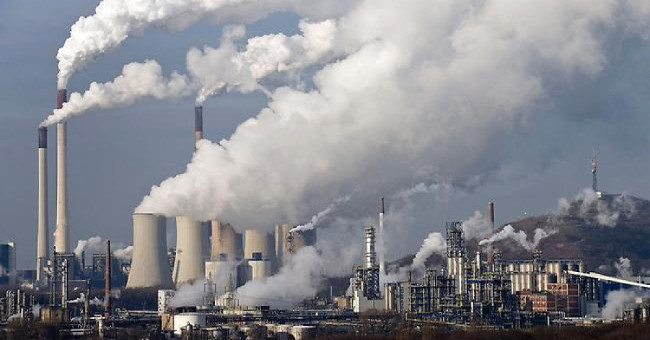
In the article, McDonough points out that carbon is not a chemical element for us to say bad. On the contrary, it is an essential part of life on Earth.

If one day, climate change causes seawater to evaporate, the world of people and other species will really fall into a great crisis.

Scientists predict life on 'Green Planet' will be wiped out in less than 1 billion years and the reason for this destruction is because of the lack of CO2 in the atmosph…
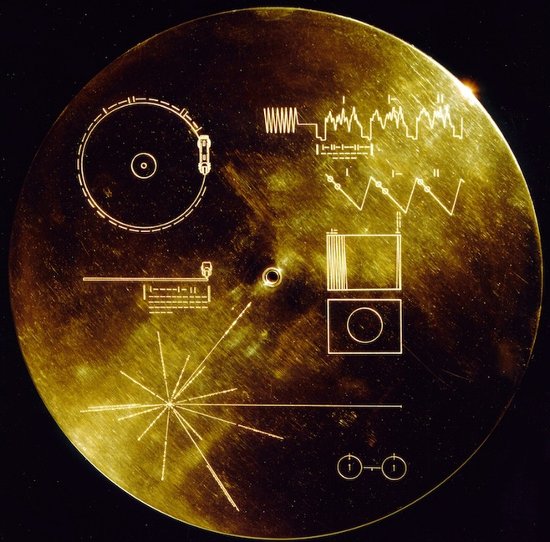
Voyager two probes carried two gold recordings containing images and messages from Earth launched in space since 1977.

Based on data from satellites, NASA video graphics will show us what happened on Earth for the past 20 years.
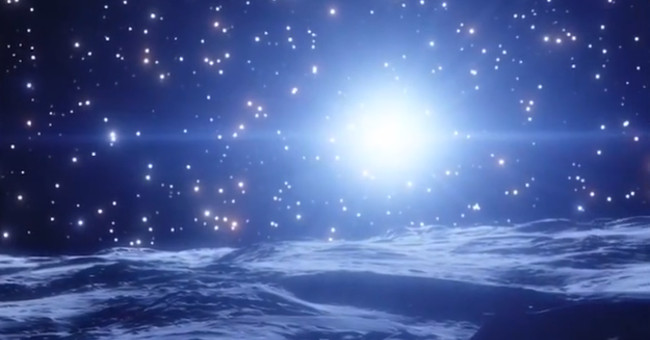
After a million years, the Earth's surface temperature drops to -240 ° C, the only species of bacteria that survive on Earth.
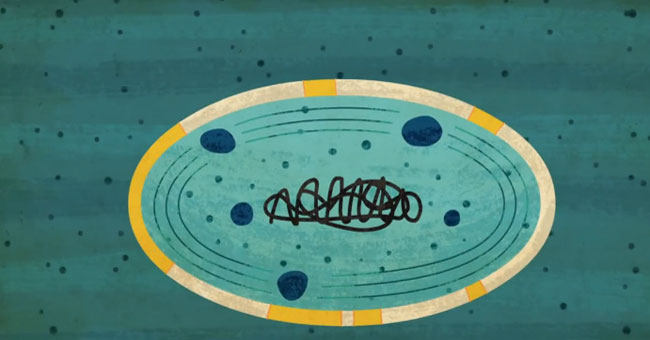
Cyanobacteria follows the first great extinction on Earth and paves the way for complex life later on.